Mastering the IBS Diet: Your Ultimate Guide to Gut-Friendly Foods and Wellness Tips
Are you tired of the unpredictable rollercoaster that is life with irritable bowel syndrome? You’re not alone. IBS can be frustrating, confusing, and downright embarrassing at times, but what if I told you that a few strategic changes to your diet could help bring about the digestive harmony you’ve been craving? Understanding the IBS diet and incorporating IBS-friendly foods into your daily meals can be your first step towards a healthier, happier gut. So, let’s embark on this enlightening journey together, armed with nutritional guidelines for IBS and the promise of a more vibrant life!
First things first, let’s talk about the backbone of the IBS diet: fiber. Contrary to popular belief, not all fiber is created equal when it comes to managing IBS. Some fibers—especially those found in high FODMAP foods—can wreak havoc on your digestive system. Luckily, there are plenty of IBS-friendly foods rich in soluble fiber to include in your meals. Think oats, chia seeds, and carrots—all wonderful options that promote smooth digestion and gut-friendly recipes. Remember the golden rule: listen to your body and discover which fiber types it loves and which ones it could do without. Have you ever experienced that pesky bloat after enjoying a hearty serving of beans? That might just be your gut communicating a food sensitivity!
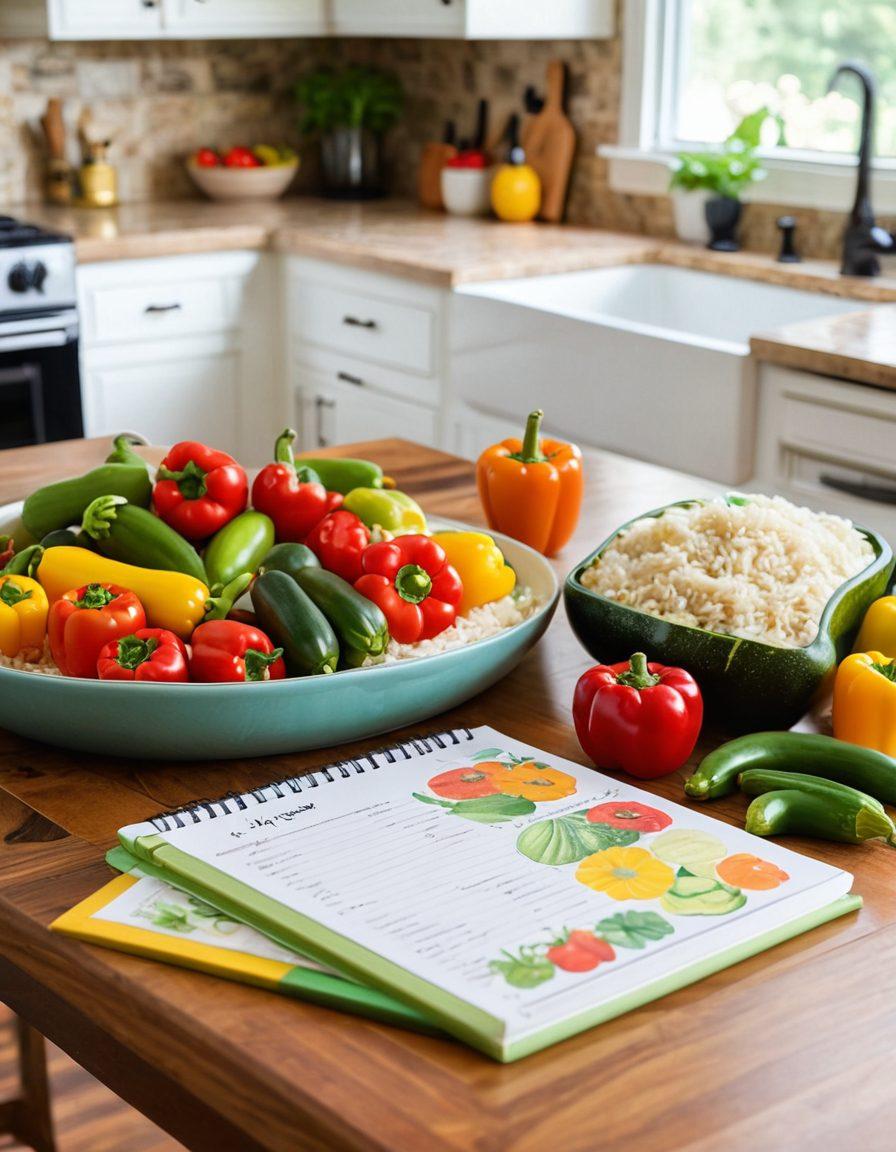
Next on our list of essential IBS-friendly foods are fruits and vegetables. However, not all are suitable for everyone with IBS—it's all about finding what agrees with your tummy. Bananas, berries, and oranges can usually be great choices, while apples and pears might be too troublesome for some. The key here is balance and variety; a colorful plant-based plate supports digestive wellness and encourages a healthy gut. And speaking of colors, if you arrange your meal with vibrant veggies, it might just brighten up your day! Have you ever thought about how much more inviting a meal looks with a splash of color?
One of the simplest yet most effective wellness tips for managing IBS is meal planning for IBS. By preparing your meals in advance, you can confidently curate a nourishing selection that aligns with your healthful eating goals. Not sure where to start? Try adding grilled chicken with quinoa and roasted veggies to your Monday menu, and perhaps a satisfying zucchini noodle stir-fry for a midweek treat. The beauty of meal planning is that it empowers you to experiment with gut-friendly recipes. What are your favorite IBS-friendly meals? Don't forget to make these meals as varied as your mood!
Lastly, remember that a holistic approach to wellness includes more than just the foods you eat. Regular physical activity, stress management techniques, and staying hydrated play critical roles in IBS management. Try yoga or meditation to ease those digestive woes, and pair these practices with balanced nutrition. It’s all about nurturing not just your digestive system health, but your entire well-being. So, as you explore the world of IBS-friendly foods, ask yourself: how do I want to feel every day? Let that question guide your journey towards a healthy lifestyle that celebrates every bite!
Navigating the Low FODMAP Lifestyle: Tips for Meal Planning and Gut Health
Navigating the low FODMAP lifestyle can feel like walking through a maze for those dealing with irritable bowel syndrome (IBS). With the countless foods available and the variety of dietary tips for IBS, how do you avoid pitfalls and find your way to digestive wellness? This blog is dedicated to breaking down the complexities of the IBS diet, focusing on meal planning and tips that promote a healthy gut. It's time to take charge with actionable advice that puts you on the path to better health.
First, let’s dive into the core of the low FODMAP diet. The term ‘FODMAP’ refers to fermentable oligosaccharides, disaccharides, monosaccharides, and polyols, which are short-chain carbohydrates that can cause digestive discomfort for many individuals. As you embark on your journey towards balanced nutrition, it’s essential to identify which foods fall into this category. From garlic and onions to certain types of fruits and dairy products, understanding these food sensitivities is pivotal to creating IBS-friendly foods that are both nourishing and satisfying. Imagine enjoying a meal without the looming pressure of an uncomfortable digestive system—how liberating would that feel?
Meal planning for IBS doesn’t have to be a daunting task. In fact, with some forethought and preparation, it can become an exciting aspect of your wellness lifestyle. Consider dedicating a few hours each week to plan your lunches and dinners. Make a list of gut-friendly recipes that you love and rotate them weekly. Incorporate a variety of protein sources, vegetables, and grains to ensure a diverse intake of nutrients. For example, lean meats, fish, or plant-based proteins served with low FODMAP veggies, like carrots or spinach, can make for a fulfilling meal. And remember, balance is key! How often have you consumed a meal that left you feeling sluggish or bloated? Choosing IBS-friendly foods can unlock the secret to smooth digestion and vibrancy.
Incorporating sufficient fiber in your IBS diet is crucial. However, be cautious as not all fiber is created equal! Soluble fiber, often found in oats and chia seeds, can actually promote digestive wellness, while insoluble fiber from certain raw vegetables can exacerbate symptoms. The journey toward digestive system health means being mindful of the types of fiber you put into your body. Therefore, try setting attainable goals for healthful eating by gradually introducing high-fiber foods into your meals, while keeping track of your body’s reactions. Listening closely to your digestive triggers can empower you to adapt your diet effectively.
Lastly, the importance of a healthy lifestyle cannot be overstated when managing IBS. Incorporate regular physical activity, stress-reducing practices like yoga or meditation, and stay hydrated. These wellness tips are integral in maintaining not just digestive health, but overall well-being. After all, managing IBS is more than just dietary adjustments—it's about cultivating good habits that foster a harmonious relationship with your body. So, what steps will you take next on your wellness journey? Remember, having a plan and being informed empowers you to navigate the maze of IBS with confidence and grace.
Wellness Beyond the Plate: Comprehensive IBS Management and Nutritional Guidelines
When it comes to managing irritable bowel syndrome (IBS), it's clear that what goes on our plates is just the beginning. Digging deeper, we discover that wellness transcends the food we eat; it encompasses our entire lifestyle. Often, we focus so much on the IBS diet and the strict nutritional guidelines designed for it that we forget that holistic wellness is a vital piece of the puzzle. How do we transform our relationship with food into one that fosters digestive wellness and promotes a healthy gut? Let's dive into the world of IBS management and uncover the secrets to smooth digestion beyond just our meals.
Nutrition for IBS is a bit like putting together a puzzle; it requires a thoughtful approach to each piece. The irritable bowel syndrome diet often involves understanding your body’s specific food sensitivities, which can feel overwhelming. The low FODMAP diet is a great starting point that helps many navigate through these challenges. But here’s the catch: not every IBS friendly food works for everyone. This brings us back to that important question – what truly makes an IBS-friendly diet? It's about awareness, patience, and some trial and error. As you embark on meal planning for IBS, consider keeping a detailed food journal. This simple action can help you track your symptoms and identify which foods are your allies and which ones are your enemies.
Along with focusing on balanced nutrition, let's not forget the power of fiber and IBS. Adequate fiber intake is crucial for maintaining a healthy digestive system health, but it's important to incorporate it correctly. Soluble fiber, found in foods like oats and apples, can ease digestion, while too much insoluble fiber may lead to discomfort. Here’s a fun fact: not all fiber is created equal! So when you're cooking up your gut-friendly recipes, ensure you're choosing the right kinds of fiber that contribute positively to your digestive wellness. Are you ready to explore fiber-rich foods and learn how they can be a game-changer in your IBS management strategy?
In addition to what we eat, our overall approach to healthful eating must also embrace lifestyle changes. Think mindfulness when you sit down for meals. Slow down, chew your food thoroughly, and savor each bite. This isn't just a wellness tip for IBS management; it’s a whole wellness lifestyle approach that can transform your relationship with food. Moreover, consistent meal times can help train your digestive system for smooth digestion. Have you ever considered how stress directly impacts IBS? Integrate stress-reducing techniques like yoga or meditation into your routine. Imagine how much more peaceful you'd feel, knowing you are supporting your body through both nutrition and mindfulness!
Finally, let’s talk about the thrill of experimenting in the kitchen. With the nutritional guidelines for IBS in hand, anyone can become the master of their own gut-friendly recipes! Get creative with meal planning for IBS by incorporating a variety of herbs and spices that not only enhance flavor but also offer digestive benefits. For instance, ginger is a fantastic addition for soothing an upset stomach. As you embark on this journey of discovery, challenge yourself with engaging recipes and enjoy the process. Who knows? You might find yourself with healthier habits and a newfound passion for culinary adventures that cater to IBS and digestive wellness! So, are you ready to celebrate the journey towards a healthier, happier you?